6 August 2026 · Child Rights Advocacy Officer
Centre for Community Initiatives Against Human Trafficking (CIAHT)
Report on 30 July 2026, the International Day celebration of the anti-human trafficking campaign in the Tolon District, Kumbungu District and Sagnerigu Municipal of the Northern Region of Ghana.
Theme: Trapped behind the scam — protecting vulnerable persons from human trafficking in the digital age.
Support: Talithan-Kum Ghana and Safe Child Advocate (SCA), to fight against human trafficking in the states of the Gulf of Guinea. The report covers activities from 28 February to 4 August 2026. Prepared by the Child Rights Advocacy Officer on 6 August 2026.
Download the original report (Word)
Acknowledgement
Our special thanks to Almighty God for the gift of life approved to celebrate this day.
We appreciate Talithan-Kum Ghana and Safe Child Advocate for their financial assistance towards this year’s International Day anti-human trafficking celebration.
We appreciate the Department of Gender, Children and Social Protection from Tolon District, Kumbungu District and Sagnerigu Municipal Assembly for their full involvement.
We thank the National Commission for Civic Education from Kumbungu District, Tolon District and Sagnerigu Municipal Assembly for their full involvement.
We also appreciate the Department of Social Welfare and Community Development for their engagement in Sagnerigu Municipal Assembly, Tolon District and Kumbungu District.
We thank each of the five sub-chiefs and their elders from the three communities in the three electoral areas for their support and presence at the durbars.
Finally, we appreciate the effort of all staff of CIAHT for their commitment throughout the inception meetings with electoral-area assembly members, unit committee members, and Community Child Protection Committees (CCPC) or Community Paralegal Facilitators (CPF), through community durbars and radio discussion.
Summary of the celebration activities
From 26 to 30 June 2026, CIAHT began this year’s celebration by submitting request letters to organise community durbars in Kunguri-Nyujagyili in Tolon District, Gbanlahi in Sagnerigu Municipal, and Tibung in Kumbungu District, and also to the National Commission for Civic Education, the Department of Social Welfare, and Department of Community Development officers.
On 6 July 2026, CIAHT organised a separate inception meeting with the Tolon District Chief Executive. At the meeting the Chief Executive assured CIAHT of his support and called for more projects for the district. He said that, as an administrator, the assembly needed financial support to function well, and he hoped that next year’s celebration would include a token from donors to support the assembly with public education on child trafficking, early and forced marriage, and cybercrime. He said the district’s doors are open for development projects.
The same date, CIAHT held a meeting with the National Commission for Civic Education, the Department of Social Welfare, and Department of Community Development officers. The departmental heads assured CIAHT of their readiness to educate community members, and asked for partnership to identify issues needing urgent attention, including gender-based violence, cybercrime, youth in human-trafficking scams, street-connected children, and youth in drugs.
On 20 July 2026, CIAHT staff met three electoral-area assembly members to plan inception meetings with community chiefs and opinion leaders. It was agreed that staff would meet the assembly members in their electoral areas. The dates agreed were:
- Kunguri/Nyujagyili: 30 July 2026, 9.00am to 12.00pm
- Tinbung: 31 July 2026, 10.00am to 1.00pm
- Gbanlahi: 4 August 2026, 8.30am to 12.30pm
The activities were carried out, and all three communities gave their blessing to the event and called for partnership in community development.
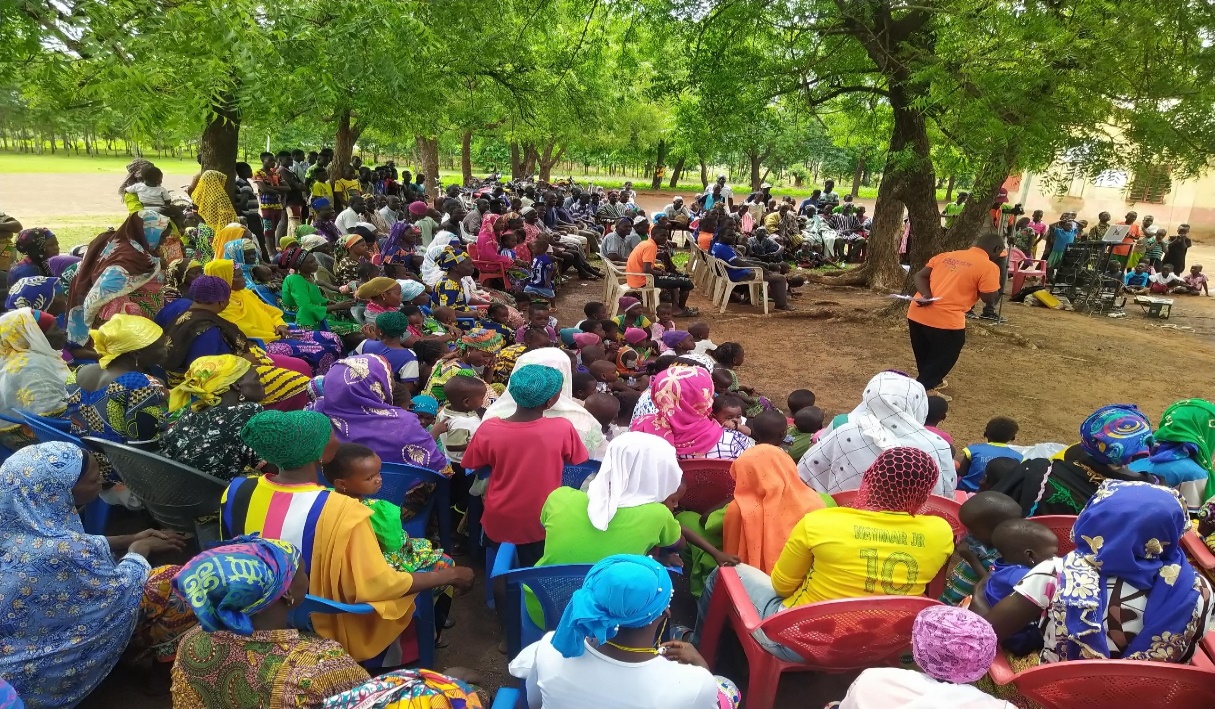
Kunguri/Nyujagyili durbar
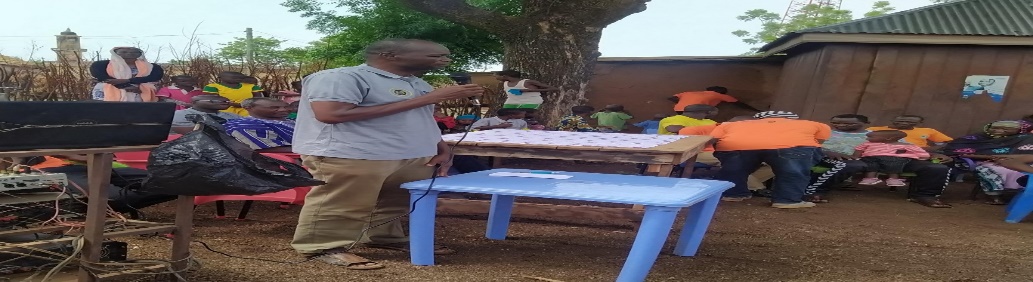
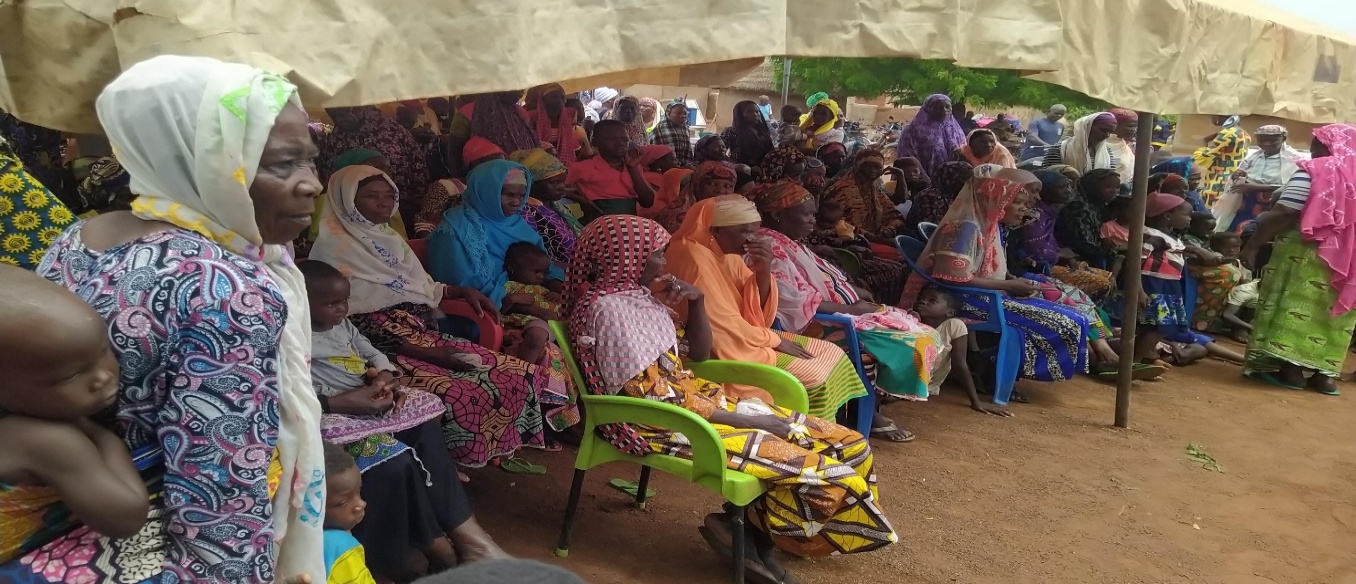
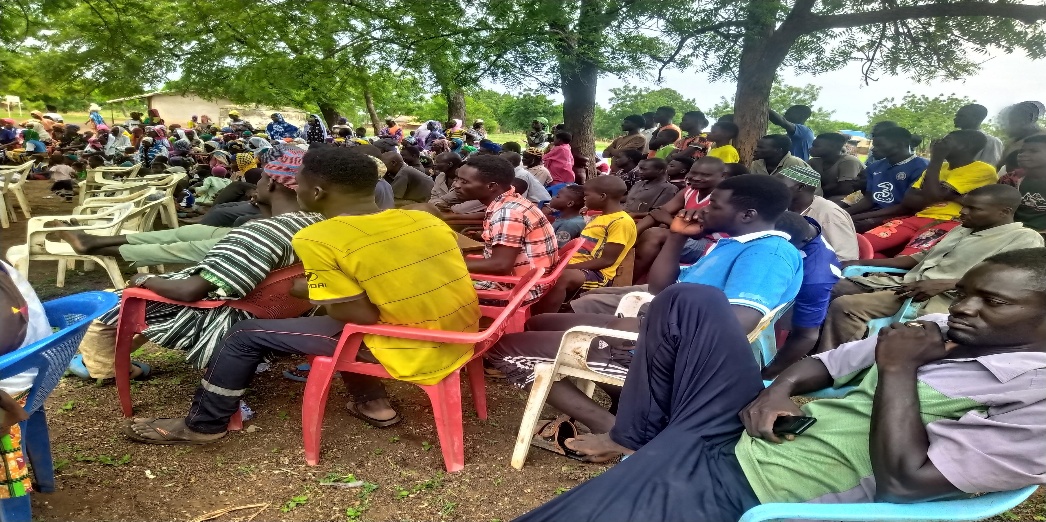
CIAHT celebrated this year’s anti-human trafficking international day at Kunguri/Nyujagyili. Resource persons and CIAHT staff were in the community ahead of the starting time.
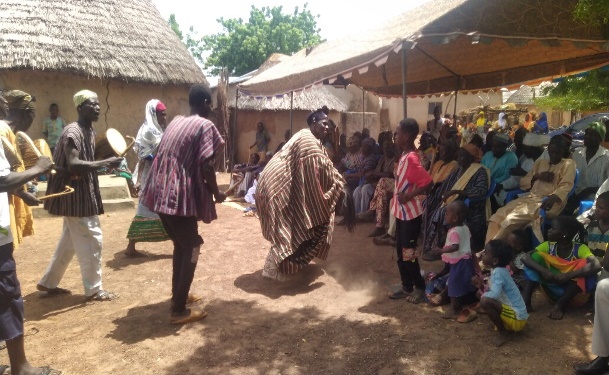
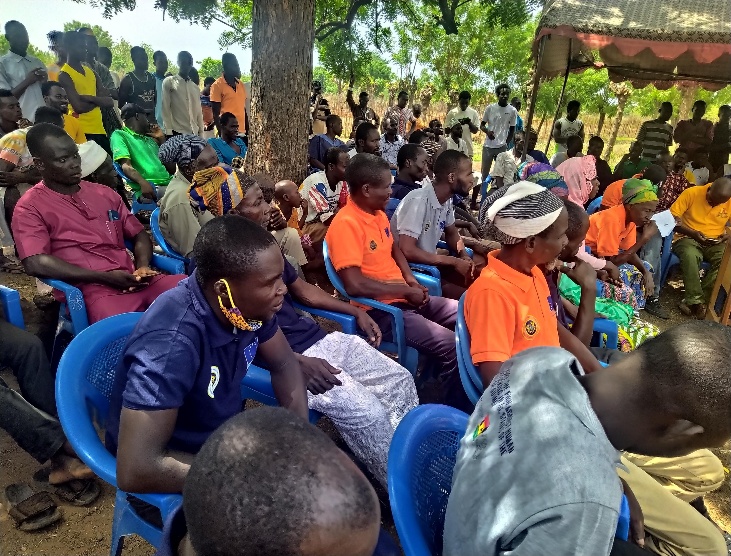
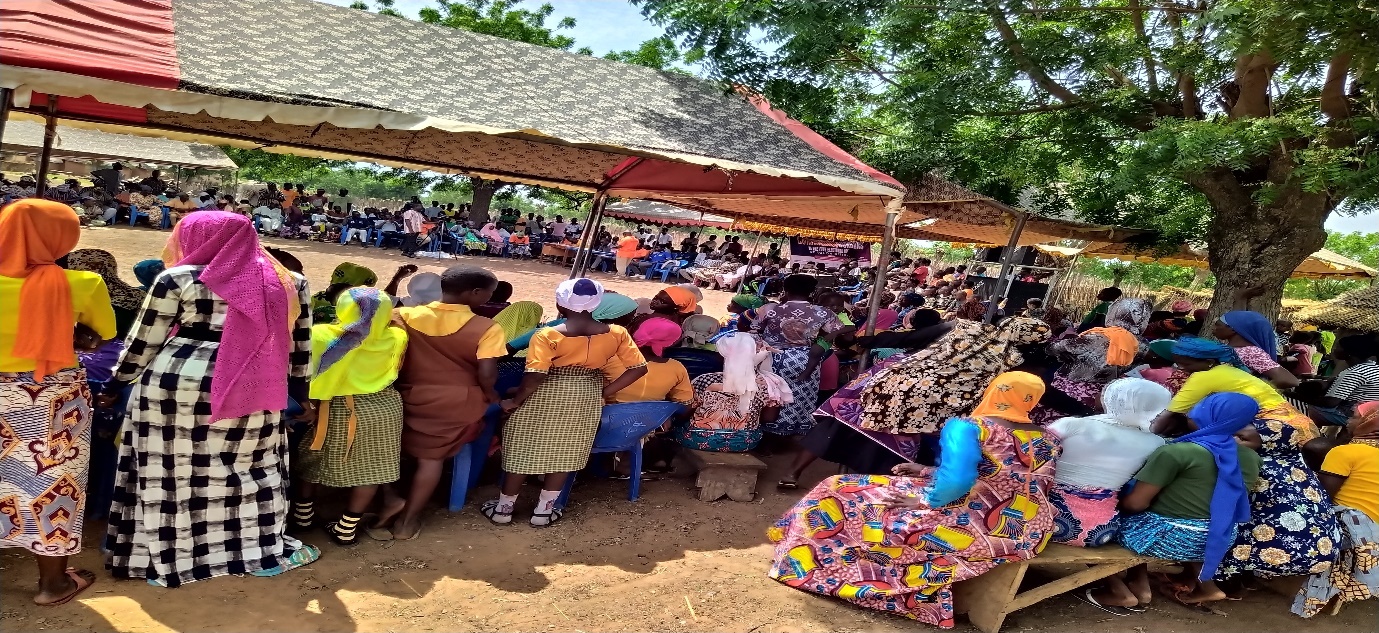
What went well: the use of the local dialect (Dagbani) made the durbar participatory and engaging. Cultural dance made the event lively. Media coverage helped carry the message against human trafficking. Sub-chiefs, opinion leaders, women leaders and youth leaders attended and took part, which the report takes as evidence that communities will own the campaign.
The impact described in the report: people were informed about human-trafficking syndicates; there was readiness to support para-legal facilitators; community members felt part of decisions about the celebration; and the durbar encouraged young people to stay in education and learn vocational skills rather than migrate south into traffickers’ networks.
On 24 to 27 July 2026, CIAHT human rights project officers visited Gbanlahi, Kunguri/Nyujagyili and Tinbung and met selected para-legal facilitators, assembly members and unit committee members. The meetings explained CIAHT’s mission and vision and inaugurated para-legal facilitators. On the celebration days, fourteen Community Para-legal Facilitators were sworn into office in each of the three communities, drawn from unit committees, women’s groups, youth groups and assembly representatives, with attention to the proportion of women.
They were sensitised on child trafficking and child marriage and the effects on boys and girls. The campaign to eliminate human trafficking through grassroots sensitisation and capacity building had started in Kunguri/Nyujagyili, which is made up of two communities. On 30 June 2026, two CIAHT staff and the assemblyman visited the community to remind the chiefs, elders and people of the event. Traditional leaders welcomed the celebration and assured their presence.
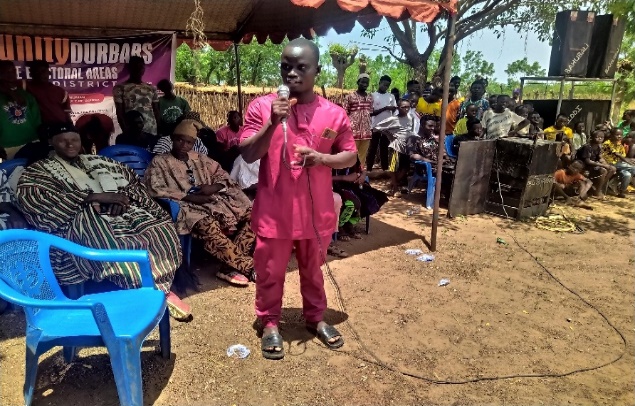
The durbar began at 9:30am at Kunguri Primary School. The two reigning chiefs were present with their elders and people from their communities.
The Director of CIAHT, Mr Abdulai Danaah, appealed to the chiefs, opinion leaders, women and youth groups to stop sending their children to cities in Ghana to look for non-existing jobs, and to encourage children to stay and use their talents, with support from philanthropists, development agencies and the Government of Ghana.
He said the Community Para-legal Facilitators’ main duty is to engage community members on child trafficking and early and forced marriage, and to help facilitate development activities. The CPF is made up of unit committee members, the assembly member, and women and youth groups. They were told to abide by the constitution and rules of the CPF and to collaborate with the existing Community Child Protection Committee. The Executive Director administered the oath of service.
The representative from the National Commission for Civic Education, Mr Alhassan Abukari (Simple), introduced his office and its work to promote and sustain democracy. His topic was “Future of the youths today”. He spoke about the repercussions of current behaviour among young people and encouraged productive activities.
Mr Sumani Adam, from the Ministry of Gender, Children and Social Protection, spoke on “Internal migration and its link to human trafficking”. He described the rise in trafficking in Ghana and Africa, and means of recruiting victims: deceit, recruitment schemes, and family relations. He said traffickers target young people and lure them with opportunities that do not exist. Some are lured with job offers in the cities and used for prostitution and child labour. Some children are given to relatives for domestic chores and become victims of child labour, abuse and prostitution. He advised that children be put in school and taught vocational skills.
The CCPC members were sworn in by a representative from the Office of Social Welfare, Mr Alhassan Abukari. He advised them to abide by the constitution, to use the training given by the resource persons, and to keep the work free of political differences, because it is a social project. The durbar closed with prayer from the pastor of the Kunguri community.
Tinbung community durbar
2 August 2026, at Tinbung D/A Primary School. The opening prayer was given by the Imam of Tinbung.
Mr Sulley Karim, Assemblyman of the Tinbung electoral area, gave the opening remarks, introduced the chairman, and acknowledged chiefs from the various communities. The chairman was Naa Ziblim Niendow (Bombom-Naa) from Kunguri. He accepted the responsibility, acknowledged those present, and gave his support to CIAHT’s activities in the community.
A member of the CIAHT Board of Directors, Dr Alhassan John Nabia, addressed the people about CIAHT and its motive to combat human trafficking in Ghana, and appreciated the director’s zeal for the project. He said migration from the north to the south of Ghana has long been done by adults for the economic benefit of their families, but the people involved now include children of all genders, some with and some without their parents’ consent. He spoke about the poor conditions faced by people who travel for kayayei or who are trafficked, and said some do not tell the truth about those challenges until the situation becomes critical.
The Warriors (Sapashini) of Kunguri performed the Sapashini dance. The chief dancer was Sinya Dramani.
NCCE representative Mr Alhassan Abukari Simple spoke again on the future of youth and children, rising insecurity, and the government’s “See something, say something” message: when someone sees something strange, they should report it to the appropriate authority or to the CIAHT office. He called for social inclusion of children in decisions and for support rather than only scolding when young people go wrong.
Mr Sumani Adam spoke on how some migration leads to human trafficking, because migrants are often vulnerable and desperate for any work. He also spoke about illicit drugs, teenage pregnancies and sickness linked to migration and trafficking.
The Community Para-legal Facilitators were sworn in by Mr Adam Imoro, from the Department of Social Welfare. He encouraged them to uphold the responsibility given them and to work without political talk. The chairman said slavery is a thing of the past and he does not want his people to become victims. The chief of Kangbagu, Kpanalana, testified that three of his daughters were deceived with a house-help job and were used for slavery. Madam Musah Safarawu recounted the struggles she went through as a kayayo in Accra in 2021, and pleaded with husbands to be patient when children run to kayayo, because she was accused by her husband when their daughter went south without her knowledge.
Gbanlahi community durbar
4 August 2026, at the Gbanlahi community chief’s palace. The Chief Imam gave the opening prayer.
Mr Baako Baba, assemblyman of the electoral area, welcomed the people and the chiefs. The chairman was Naa Abdulai Naporo, Gbanlahi chief. He encouraged his subjects to accept the project for the growth of Gbanlahi and its surroundings.
NCCE officer Mr Alhassan Abukari Simple spoke on the “future of the youth”, the mandate of the NCCE, and how the commission can be contacted. He advised parents to ensure their wards do not stay out late at night. The importance of formal and non-formal education was discussed, as was the rise of cyber fraud and how to avoid becoming victims.
Mr Sumani Adam spoke on unapproved migration among young people and people from the Northern part of Ghana. He said most illegal migration has more negative impact than the little money some people get. He encouraged young people to value what they have locally, and to venture into agriculture for food and income. A cultural group entertained the durbar with Takai and Torrah dances.
The CPF members were sworn in by Mr Imoro Adam from the Department of Social Welfare, and advised to collaborate with the existing Community Child Protection Committee. Mr Mohammed from Wovo-guma appreciated CIAHT for the sensitisation, saying they had not believed human trafficking existed until they were informed. Madam Abdulai Zuwera appreciated the inclusion of women in the development of their communities.
The NCCE representative encouraged youth development and advised parents to keep children from staying out long after 9:00pm, to build friendly relationships so children can trust the family, not to force a trade on children, and to remember that opportunities can be created in local communities. Mr Abubakari, assemblyman of the electoral area, gave the closing remarks and encouraged full participation from the communities.
After the celebration
What went wrong. There was a delay in the release of funds. Programmes started late because chiefs and elders arrived late. There were not enough chairs for participants.
Way forward named in the report. Quicker release of funds; CIAHT releasing funds to the CPF to organise durbars; and CIAHT staff serving as resource persons.
What went well. Dagbanli made the durbars participatory. Cultural dance made them lively. The presence of chiefs and government departments made people feel included; the report notes that communities do not usually see government officials except during political campaigns. Media coverage helped the message. The presence of chiefs meant people were willing to take part.
Logistics and publicity. Traditional chiefs and opinion leaders requested T-shirts. Attendance was good because invited people were present. The durbars were covered for people inside and outside the communities, and the plan was structured to reach stakeholders in the fight against human trafficking.
What communities expect. A vocational skills training centre; continued work with CPF members; regular awareness for community members; agribusiness forums; and a digital business skills training centre.
What CIAHT wants to achieve. Awareness of human trafficking and its effects; cooperation of community members; a reduction in youth migration and cyber fraud; and vocational education, skills and business development.
Impact. People are informed about trafficking syndicates. Key actors are ready to tackle the menace. Community members feel part of decision-making in their communities.
How the Community Para-legal Facilitators were selected
The report describes community entry through electoral-area assembly members, unit committee members, women’s groups and youth groups, then an inception meeting with chiefs and elders. Nomination was open for one month, interviews were conducted, and selected members received letters. Selection looked at passion to be trained, commitment to community development, influence in the community, and hard work, tolerance and integrity.
Follow-up after the international day includes engaging communities on safeguarding, prevention and protection from human trafficking and early and forced marriage; capacity-building for CPF members; further durbars and school awareness; and monthly monitoring meetings of CPF members.
Photographs from the celebration